For apartment communities and multifamily properties, the roof protects much more than the building itself. It helps protect residents, personal belongings, common areas, building systems, and the property owner’s investment.
A roofing problem at a multifamily property can also become a management problem. A leak may affect an occupied apartment, damage interior finishes, create an uncomfortable living environment, or require residents to temporarily relocate while repairs are made. On a larger property with multiple buildings, seemingly minor roofing issues can quickly become expensive and difficult to manage.
Multifamily roofing requires a proactive approach focused on protecting the property while minimizing disruption for residents and property managers.
Stonebridge Roofing provides commercial roofing services for multifamily properties throughout the greater St. Louis area, including Missouri and Illinois, as well as Springfield, MO. As a family owned and operated, local Missouri company, we help property owners and managers plan for inspections, preventative maintenance, repairs, storm damage, and roof replacement.
Commercial Roofing Solutions for Multifamily Properties
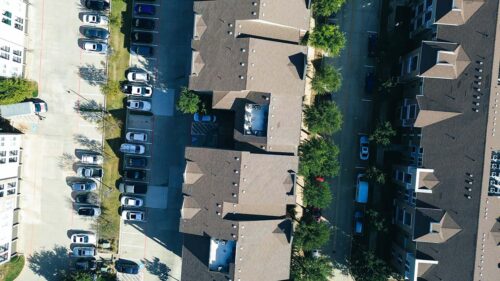
Apartment communities and multifamily properties can vary considerably in size and design. Some properties have a single large building, while others include numerous buildings with different roof sections, roofing materials, ages, and maintenance histories.
Managing these systems effectively requires more than responding when a tenant reports a leak.
Stonebridge Roofing can help multifamily property owners and managers develop a practical approach to:
- Commercial roof inspections
- Multifamily roof repair
- Preventative maintenance
- Leak prevention
- Drainage maintenance
- Storm damage assessment
- Roof replacement
- Long-term roofing planning
The goal is to help property owners protect their investment while keeping residents and property managers as insulated from roofing problems as possible.
Why Proactive Multifamily Roofing Maintenance Matters
A roofing emergency at an apartment property can have consequences beyond the cost of the repair.
Water intrusion can damage ceilings, walls, flooring, insulation, electrical components, personal property, and other interior elements. A serious leak can also affect a resident’s ability to comfortably use part of their home.
Preventative maintenance provides an opportunity to identify potential problems before they become emergencies.
A commercial roof preventative maintenance program may include scheduled inspections, drainage evaluations, sealant checks, minor repairs, documentation, and recommendations for future work.
For multifamily property owners, proactive maintenance can help:
- Reduce unexpected roofing emergencies
- Protect occupied units and common areas
- Extend roof service life
- Reduce long-term ownership costs
- Improve maintenance budgeting
- Identify problems earlier
- Plan future capital improvements
- Minimize disruption to residents
Multifamily Roof Inspections
Regular inspections are an important part of managing a large or multi-building property.
A commercial roof inspection can help identify deterioration, leaks, damaged flashing, drainage problems, failing sealants, storm damage, and other concerns that may require attention.
For multifamily properties, inspections can also provide valuable documentation. When a property has several buildings or roof sections, knowing the condition of each system can help property managers prioritize work.
For example, one building may require immediate repairs while another may simply need routine maintenance. A third may be approaching the end of its useful life and should be included in future capital planning.
Preventing Leaks and Interior Damage
Leak prevention is particularly important for apartment and multifamily properties because the roof protects occupied living spaces.
Common areas of concern include:
Roof Penetrations
HVAC equipment, vents, pipes, and other penetrations can create potential areas for water intrusion if flashing or sealants deteriorate.
Flashing and Seams
Deteriorating flashing and seams can allow water to enter the roofing system and eventually reach interior spaces.
Drainage Systems
Blocked or damaged drains and other drainage components can allow water to accumulate on the roof, increasing the potential for leaks and premature deterioration.
Storm Damage
Hail, strong winds, and severe thunderstorms can damage roofing materials and components. Prompt inspections after significant weather can help identify problems before they worsen.
Our commercial roof leak prevention page provides additional information about how proactive inspections, drainage maintenance, sealant replacement, and repairs can help reduce the risk of water intrusion.
Multifamily Roof Repair
When a roofing issue is localized, multifamily roof repair may be an effective way to address the problem without replacing the entire system.
Potential repair needs include leaks, damaged roofing materials, deteriorating flashing, failed sealants, drainage issues, storm damage, and problems around rooftop equipment.
Prompt repairs can help limit the potential for additional damage and reduce the likelihood that a relatively small problem becomes a major disruption for residents.
Because multifamily properties are occupied, repairs should also be planned with resident access, safety, communication, and scheduling in mind.
Learn more about our commercial roof repair services.
Planning Multifamily Roof Replacement
Eventually, every roofing system reaches the end of its useful service life.
Multifamily roof replacement may be the more practical option when a roof has widespread deterioration, recurring leaks, extensive damage, or increasing maintenance requirements.
Replacing a roof before a major failure can provide property owners with greater control over the project.
Rather than responding to an emergency, owners may have time to:
- Establish a realistic budget
- Evaluate different commercial roofing systems
- Coordinate work across multiple buildings
- Plan around resident activities
- Establish appropriate work zones
- Schedule projects strategically
- Protect landscaping and common areas
- Plan for future maintenance
For large apartment communities, replacement planning can also allow roofing work to be phased rather than attempting to address every building simultaneously.
Learn more about our commercial roof replacement services.
Minimize Disruption for Residents
Roofing work at an occupied multifamily property requires careful coordination.
Residents may need access to parking areas, entrances, patios, balconies, walkways, and other common spaces while work is underway. Property managers also need to consider resident communication, safety, deliveries, maintenance activities, and other day-to-day requirements.
Depending on the scope of the project, planning may include:
- Coordinating work schedules
- Establishing safe work zones
- Maintaining resident access
- Protecting common areas
- Managing roofing equipment and materials
- Coordinating with property management
- Planning around weather conditions
The objective is to complete necessary roofing work while minimizing unnecessary disruption to residents and normal property operations.
Multifamily Roofing FAQs
How often should an apartment property roof be inspected?
Many commercial roofing systems benefit from at least an annual professional inspection. Properties with multiple buildings, older roofing systems, recurring problems, or significant weather exposure may benefit from additional inspections.
What are the most common roofing problems at multifamily properties?
Common problems include leaks, deteriorating roofing materials, damaged flashing, failed sealants, drainage issues, storm damage, and deterioration around rooftop HVAC equipment and other penetrations.
Can preventative maintenance help reduce multifamily property costs?
Yes. Identifying and addressing roofing problems early can help reduce the likelihood of major emergency repairs. Preventative maintenance may also extend roof life and give property owners better information for long-term budgeting and capital planning.
Can a multifamily roof be repaired instead of replaced?
If the problem is localized and the overall roofing system remains in good condition, repairs may be appropriate. However, widespread deterioration, recurring leaks, or an aging roof may make replacement a more cost-effective long-term option.
How can roofing work be coordinated around residents?
Roofing projects can often be scheduled and phased to reduce disruption. Property managers and roofing contractors should consider resident access, parking, walkways, common areas, work zones, safety, and communication when developing the project plan.
Should multifamily property owners maintain records of roof inspections?
Yes. Documentation can help property managers track the condition of individual buildings and roof sections, identify recurring problems, prioritize repairs, and plan future capital expenditures. It can also provide a useful history when evaluating whether maintenance or replacement is the appropriate long-term strategy.
Protect Your Multifamily Investment with Stonebridge Roofing
Your roofing system is a significant part of your property’s value and long-term operating costs. A proactive approach to multifamily roofing can help protect residents, reduce unexpected expenses, and make it easier to plan for future repairs and capital improvements.
Stonebridge Roofing is a family owned and operated, local Missouri company providing commercial roofing services throughout the greater St. Louis area in Missouri and Illinois, as well as Springfield, MO.
Whether your property needs a roof inspection, preventative maintenance, leak repair, storm damage assessment, or complete replacement, we can help you evaluate the condition of your roofing systems and determine the appropriate next steps.
Contact Stonebridge Roofing online or call (314) 344-3434 to discuss your multifamily roofing needs, schedule an inspection, or find out how we can help protect your property while minimizing disruption for residents.