EPDM, which stands for ethylene propylene diene monomer, is a synthetic rubber roofing membrane that has been used on commercial buildings for decades. It is particularly well suited for many low-slope roofing applications and can provide reliable protection when properly installed and maintained.
Stonebridge Roofing provides EPDM commercial roofing services throughout the greater St. Louis area, including Missouri and Illinois, as well as Springfield, MO. As a family owned and operated, local Missouri company, we help commercial property owners understand their roofing options and select solutions based on their building, budget, and long-term goals.
To learn more about EPDM roofing and other commercial roofing systems, contact our team today.
What Is EPDM Roofing?
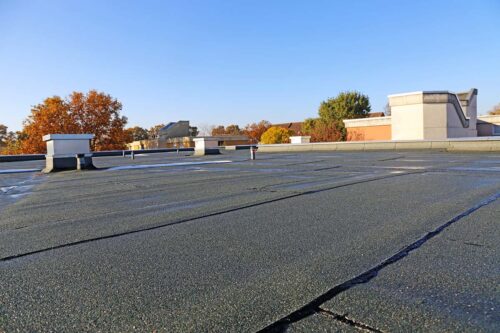
EPDM is a single-ply synthetic rubber membrane designed specifically for roofing applications. It is commonly installed on commercial buildings with flat or low-slope roofs where traditional steep-slope roofing materials are not appropriate.
EPDM roofing systems typically consist of the membrane along with other components such as insulation, attachment systems, flashing, edge details, sealants, and drainage components. The complete assembly is designed to work together to protect the building from rain, snow, sunlight, temperature changes, and other environmental conditions.
EPDM is available in different thicknesses and can be installed using different attachment methods depending on the building and project requirements.
Benefits of EPDM Commercial Roofing
There are several reasons EPDM remains a popular choice among commercial property owners.
Durable and Weather Resistant
EPDM membranes are designed to withstand prolonged exposure to outdoor conditions, including sunlight, rain, wind, and temperature changes. This makes them a practical option for commercial buildings that need dependable long-term protection.
EPDM’s flexibility is another important characteristic. The membrane can accommodate some movement associated with changing temperatures and building conditions.
Proven Roofing Technology
EPDM has been used in commercial roofing applications for many years. Its long history provides property owners and roofing professionals with extensive experience installing, maintaining, repairing, and replacing these systems.
Flexible Rubber Roofing System
Because EPDM is a synthetic rubber membrane, it has flexibility that can be beneficial in a variety of roofing applications.
This flexibility can help the membrane accommodate normal expansion and contraction associated with temperature changes. Proper installation remains essential to ensuring the roofing assembly performs as intended.
Multiple Installation Options
EPDM roofing systems can be installed using different methods depending on the project. A roofing contractor can evaluate the building and determine which approach is appropriate based on factors such as the existing roof, structure, insulation, roof design, and project requirements.
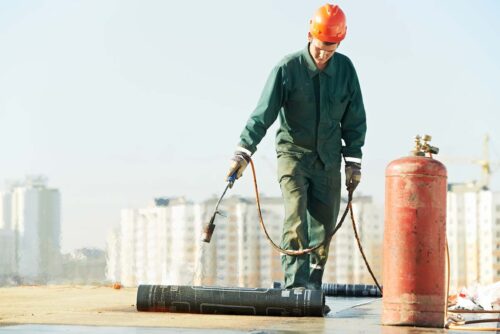
EPDM Roof Installation
Professional EPDM roof installation is essential for long-term performance. The quality of the roof installation can have a significant impact on the durability and watertightness of the completed roofing system.
Before installation begins, the existing roof should be evaluated to determine whether the roof deck, insulation, drainage, and other components are suitable for the proposed system.
Preparing the Roofing Assembly
A successful installation starts with proper preparation. Depending on the project, this may involve removing an existing roofing system, repairing damaged areas, preparing the substrate, or installing new insulation.
Installing the EPDM Membrane
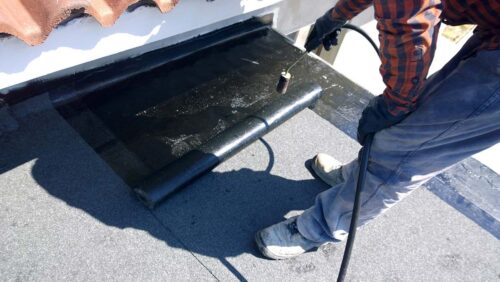
The membrane is positioned over the prepared roofing assembly and secured using the appropriate installation method. Seams, edges, penetrations, and transitions require careful attention during installation.
Detailing Vulnerable Areas
Roof penetrations, HVAC equipment, drains, flashing, roof edges, and other transitions can be particularly important when creating a watertight roofing system.
Experienced installation helps ensure these areas are properly addressed rather than treating the membrane surface as the only component that matters.
Maintaining an EPDM Roofing System
Like any commercial roofing system, EPDM benefits from routine inspection and preventative maintenance.
A roof may appear to be functioning properly while developing problems in less visible areas. Regular inspections can help identify deterioration before it becomes a major repair.
Maintenance may include evaluating:
- EPDM membrane surfaces
- Seams and transitions
- Flashing
- Roof penetrations
- Sealants
- Drainage components
- Roof edges
- Areas around rooftop equipment
- Previously repaired areas
Stonebridge Roofing’s commercial roof inspection services can help property owners monitor the condition of their roofing systems and identify potential concerns.
A proactive commercial roof maintenance plan can also help extend the useful life of an existing EPDM system and reduce the likelihood of unexpected repairs.
EPDM Roofing for St. Louis and Springfield Commercial Properties
Commercial roofs throughout the greater St. Louis area and Springfield, MO are exposed to a wide range of weather conditions. Hot summers, intense UV exposure, heavy rainfall, severe thunderstorms, strong winds, hail, winter weather, and temperature fluctuations can all affect roofing materials over time.
EPDM is designed for outdoor exposure, but local weather conditions still make proper installation and ongoing maintenance important.
Working with a local EPDM roofing contractor gives property owners access to a contractor familiar with the types of weather conditions commercial roofing systems face throughout Missouri and Illinois.
Is EPDM the Right Commercial Roofing System for Your Building?
EPDM can be an excellent choice for many commercial properties, but no single roofing material is right for every building.
When evaluating EPDM or other rubber roofing systems, property owners should consider:
- Roof size and configuration
- Roof slope
- Existing roofing system
- Condition of the roof deck
- Drainage
- Insulation requirements
- Rooftop equipment
- Building use
- Expected service life
- Maintenance requirements
- Long-term ownership costs
- Project budget
Comparing these factors can help property owners select a roofing system based on more than the initial installation price.
Stonebridge Roofing can help you compare EPDM with other commercial roofing systems to determine which options may make sense for your property.
EPDM Roof Repair or Replacement?
An existing EPDM roof does not necessarily need to be replaced because it has developed a problem.
Localized damage, deteriorating sealants, flashing issues, or other isolated concerns may be repairable, particularly when the underlying roofing system remains in good condition. However, extensive deterioration, recurring leaks, widespread damage, or a roof approaching the end of its useful life may make replacement the more practical long-term investment.
A professional inspection can help determine whether continued maintenance and repairs are appropriate or whether roof replacement should be considered.
Learn more about the factors involved in commercial roof maintenance vs. roof replacement.
EPDM Roofing FAQs
Is EPDM good for commercial buildings?
Yes. EPDM is a widely used commercial roofing membrane, particularly for flat and low-slope buildings. Its flexibility, weather resistance, and proven performance make it a practical option for many commercial properties.
How long does EPDM roofing last?
The service life of an EPDM system depends on factors such as membrane quality, installation, weather exposure, building conditions, maintenance, and the condition of other roofing components. Regular inspections and preventative maintenance can help maximize the useful life of the system.
Is EPDM considered rubber roofing?
Yes. EPDM is a synthetic rubber membrane. It is commonly referred to as a rubber roofing system because of its material composition and flexibility.
Does EPDM roofing require maintenance?
Yes. EPDM is designed for durability, but no commercial roofing system should be considered maintenance-free. Regular inspections can help identify membrane damage, drainage issues, deteriorating flashing, sealant problems, and other concerns before they become more extensive.
Can EPDM roofing be repaired?
In many cases, localized EPDM damage can be repaired. The appropriate repair method depends on the type, size, location, and extent of the damage, as well as the overall condition of the roofing system. Learn more about our commercial roof repair services.
Is EPDM better than TPO?
Neither system is universally better. EPDM and TPO have different characteristics that may make one more appropriate for a particular building. The best choice depends on factors such as the property’s design, climate exposure, energy goals, budget, and long-term maintenance strategy.
Can EPDM roofing help prevent leaks?
A properly installed EPDM system can provide reliable protection against water intrusion. Regular inspections and maintenance are also important for identifying potential vulnerabilities around seams, flashing, penetrations, drainage components, and other areas where leaks can develop. Learn more about commercial roof leak prevention.
Protect Your Commercial Property With Professional EPDM Roofing
Your commercial roof is a major investment in your property. Choosing an appropriate roofing system and having it properly installed can help protect that investment for years to come.
Whether you are constructing a new commercial building, replacing an aging roof, or evaluating whether EPDM may be appropriate for your property, our team can help.
Contact Stonebridge Roofing online or call (314) 344-3434 to learn more about EPDM roofing, discuss your commercial roofing needs, request a roofing estimate, or find out how we can help protect your building.