Professional commercial roof inspection services provide a proactive way to understand the condition of your roofing system and identify potential problems before they become major concerns.
Stonebridge Roofing provides commercial roof inspections throughout the greater St. Louis area, including Missouri and Illinois, as well as Springfield, MO. As a family owned and operated, local Missouri company, we understand the importance of dependable commercial roofing and straightforward recommendations. Our goal is to help property owners and facility managers make informed decisions about maintaining and protecting their roofing investments.
Contact us to learn more about our commercial roof maintenance plans and schedule an inspection for your roof today.
Why Schedule a Commercial Roof Inspection?
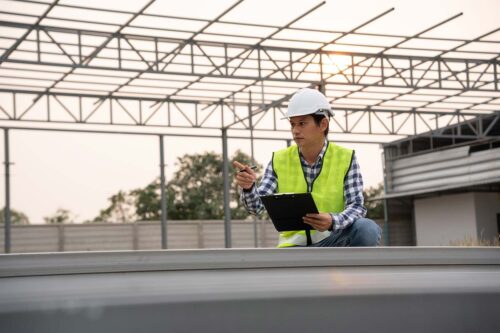
A roof can have developing problems that are not immediately visible from inside the building. Deteriorating flashing, damaged seams, failing sealants, drainage problems, membrane damage, and other issues can worsen over time without producing an obvious interior leak.
A professional inspection provides an opportunity to identify these vulnerabilities before they result in more extensive damage.
Regular commercial roof inspections can help you:
- Identify developing roofing problems early
- Reduce the risk of unexpected leaks
- Protect interior building materials and contents
- Evaluate the condition of drainage systems
- Identify areas that may require preventative maintenance
- Plan and prioritize future repairs
- Better understand the remaining service life of your roof
- Make more informed decisions about maintenance or replacement
- Reduce the likelihood of disruptive emergency roofing work
For property owners in St. Louis, St. Charles, Springfield, and surrounding communities, routine inspections can be an important part of responsible commercial property management.
What Does a Commercial Roof Inspection Include?
Every roofing system is different, so the scope of an inspection depends on the building, roof type, age, condition, and other factors. A professional inspection generally involves evaluating the visible roofing components and identifying conditions that could affect the roof’s performance.
Roofing Materials and Membranes
The inspection can look for visible deterioration, damage, punctures, splits, cracks, loose materials, and other signs of wear. For low-slope commercial roofing systems, this may include examining membrane surfaces and seams.
Flashing, Seams, and Penetrations
Areas where roofing materials meet walls, edges, vents, HVAC equipment, pipes, and other penetrations can be particularly vulnerable to water intrusion. These areas should receive careful attention during a commercial roof inspection.
Drainage Systems
Proper drainage is critical to commercial roof performance. Inspections can identify clogged drains, damaged drainage components, debris accumulation, and areas where ponding water may be occurring.
Standing water can place additional stress on a roofing system and may contribute to deterioration if the underlying drainage problem is not addressed.
Rooftop Equipment and High-Traffic Areas
HVAC equipment, vents, skylights, and other rooftop components create penetrations and transition points that require attention. Frequent foot traffic around equipment can also contribute to premature wear.
Moisture Detection and Identifying Hidden Problems
Not every roofing problem is visible on the surface. In some situations, moisture may migrate beneath roofing materials or insulation before a leak becomes apparent inside the building.
Depending on the circumstances, additional evaluation or moisture detection techniques may help identify areas of concern that cannot be confirmed through a basic visual inspection alone.
Finding moisture early can be particularly important because prolonged water intrusion may affect insulation, decking, structural components, and interior finishes.
If an inspection identifies signs of water intrusion, Stonebridge Roofing can help determine whether additional evaluation or repairs are appropriate.

Commercial Roof Inspection Reports and Documentation
One of the most useful aspects of routine inspections is documentation.
A professional inspection provides property owners and facility managers with information about the current condition of their roofing system. Documenting observed issues and recommended maintenance can make it easier to track changes over time and prioritize future work.
This is especially valuable for property managers responsible for multiple commercial buildings. A documented inspection history can help identify recurring problems, monitor repairs, and support long-term capital planning.
Instead of simply knowing that your roof is "old," you can develop a clearer understanding of its actual condition and what needs attention.
When Should You Schedule a Commercial Roof Inspection?
There is no single inspection schedule that applies to every commercial property. Factors such as roof age, roofing material, building use, weather exposure, previous repairs, and rooftop equipment can all influence how frequently inspections should be performed.
Many properties benefit from at least an annual professional inspection. Additional inspections may be appropriate:
- After severe storms or high winds
- Following hail events
- After significant repairs or modifications
- When a leak or water intrusion occurs
- Before purchasing or selling a commercial property
- When preparing for a major maintenance project
- When a roof is approaching the end of its expected service life
For properties in the greater St. Louis area and Springfield, MO, storm-related inspections can be particularly important. Severe weather can cause damage that is not immediately obvious from the ground.
Inspections Are an Important Part of Preventative Maintenance
A roof inspection is not simply a way to find problems. It is an important component of a larger proactive maintenance strategy.
Regular inspections allow property owners to identify areas that may benefit from preventative repairs before they become more serious. When combined with scheduled maintenance, inspections can help extend the useful life of a roofing system and reduce unexpected repair costs.
Learn more about the commercial roof preventative maintenance benefits and how proactive care can help protect your roofing investment.
Commercial Roof Inspection vs. Waiting for a Leak
One of the most expensive mistakes a property owner can make is assuming that no visible leak means there is no roofing problem.
Water can enter through a damaged area and travel before becoming visible inside the building. By the time a ceiling stain appears, the underlying issue may have already existed for some time.
Scheduled commercial roof inspection services take a proactive approach to commercial roof leak prevention. Rather than waiting for the roof to tell you there is a problem, professional inspections help you identify potential vulnerabilities before they develop into costly disruptions.
Plan Ahead for Repairs and Replacement
A commercial roof inspection can also provide valuable information when deciding whether to repair, maintain, or eventually replace a roofing system.
Not every aging roof needs immediate replacement. In some cases, targeted repairs and preventative maintenance may extend its useful life. In other situations, widespread deterioration may indicate that replacement is the more practical long-term solution.
Regular inspections provide the information needed to make that decision based on the roof’s actual condition rather than guesswork.
Our guide to commercial roof maintenance vs. roof replacement provides additional information about the factors property owners should consider.
Commercial Roof Inspection FAQs
How often should a commercial roof be inspected?
The appropriate frequency depends on the roof’s age, material, condition, and exposure. Many commercial properties benefit from an annual professional inspection, while older roofs or properties with known issues may require more frequent evaluations.
Should I have my commercial roof inspected after a storm?
Yes. Severe wind, hail, heavy rain, and other weather events can damage commercial roofing systems. Some damage may not be visible from the ground, so a professional inspection can help identify problems before they result in water intrusion.
What happens if an inspection finds a problem?
The appropriate response depends on the type and severity of the issue. Minor concerns may be addressed through preventative maintenance or repairs, while more significant deterioration may require additional evaluation or planning for replacement. A professional inspection can help clarify your options.
Can a commercial roof inspection help extend roof life?
An inspection itself does not extend roof life, but it can identify problems that should be addressed through maintenance or repair. Catching and correcting issues early can help protect the roofing system and maximize its useful service life.
Do I need an inspection if my commercial roof isn’t leaking?
Yes. The absence of a visible leak does not necessarily mean the roof is in perfect condition. Routine inspections can identify developing issues before they cause water intrusion or other costly problems.
Trust Stonebridge Roofing with Your Commercial Roof Inspection
Your commercial roof represents a significant investment. Regular inspections can help you protect that investment by identifying potential problems early, documenting the roof’s condition, and providing a foundation for preventative maintenance and long-term planning.
Whether you need a routine inspection, are concerned about a recent storm, or want to better understand the condition of an aging commercial roof, our team can help.
Contact Stonebridge Roofing online or call (314) 344-3434 to schedule commercial roof inspection services and learn how we can help protect your commercial property.