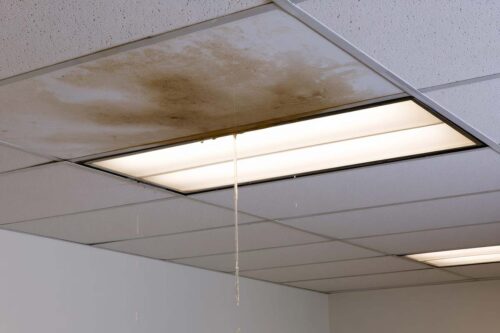
A commercial roof leak can quickly become more than a roofing problem. Water intrusion can damage ceilings, walls, insulation, equipment, inventory, electrical components, and other valuable property. It can also disrupt business operations and create an urgent situation for property owners and facility managers.
The good news is that many roofing problems can be identified and addressed before they develop into major leaks. Commercial roof leak prevention focuses on proactive inspections, preventative maintenance, drainage care, timely repairs, and ongoing monitoring to help keep water outside where it belongs.
Stonebridge Roofing provides commercial roofing services throughout the greater St. Louis area, including Missouri and Illinois, as well as Springfield, MO. Contact us online or by phone today to sign up for your commercial roof maintenance plan or learn more.
Why Commercial Roof Leaks Happen
Commercial roof leaks can develop for many different reasons. Normal aging, severe weather, poor drainage, deteriorating sealants, damaged flashing, roof penetrations, and other vulnerabilities can allow water to enter the building.
Some problems are obvious, while others may remain hidden until significant water intrusion has already occurred.
Common potential sources of commercial roof leaks include:
- Damaged or deteriorating roofing materials
- Failed or aging sealants
- Damaged flashing
- Open or deteriorated seams
- Roof penetrations
- Clogged or damaged drains
- Ponding water
- Damage from severe weather
- Deterioration around rooftop equipment
- Improper or damaged drainage components
Preventing leaks starts with understanding where your roofing system is most vulnerable and monitoring those areas consistently.
Regular Commercial Roof Inspections Help Prevent Leaks
One of the most important components of commercial roof leak prevention is routine professional roof inspection.
A roof does not have to be leaking inside the building to have a problem. Roofing materials can deteriorate gradually, and water may travel beneath roofing components before becoming visible indoors.
Scheduled inspections give property owners an opportunity to identify potential trouble spots before they develop into major water intrusion.
During a professional inspection, areas such as the following may be evaluated:
Roofing Materials and Seams
Damaged surfaces, deteriorating membranes, splits, punctures, and compromised seams can create pathways for water. Identifying these issues early can allow repairs to be made before they become larger problems.
Flashing and Penetrations
Flashing and areas around roof penetrations are common locations for water intrusion. HVAC equipment, vents, pipes, skylights, and other building components create transitions that require careful attention.
Drainage Components
Commercial roofs need to move water away from the building efficiently. Drains, scuppers, gutters, and other drainage components should be inspected regularly to ensure they are not blocked, damaged, or contributing to ponding water.
Learn more about our commercial roof inspection services.
Replace Deteriorating Sealants Before They Fail
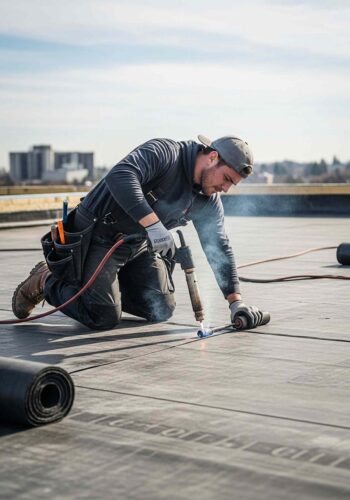
Sealants play an important role in protecting vulnerable transitions and penetrations on many commercial roofing systems. Over time, exposure to weather and normal aging can cause sealants to crack, shrink, separate, or deteriorate.
A failing sealant may allow water to enter around a penetration or transition point.
During routine maintenance, deteriorating sealants can be identified and addressed before they contribute to a leak. This is one reason why preventative maintenance should be more than simply looking for obvious damage.
Our commercial roof preventative maintenance benefits page explains how proactive roofing care can help protect your investment and reduce unexpected repair costs.
Keep Commercial Roof Drainage Clear
Water needs somewhere to go.
When drains, scuppers, gutters, or other drainage components become clogged with leaves, dirt, debris, or other materials, water may accumulate on the roof. Persistent ponding water can place additional stress on roofing materials and increase the risk of deterioration.
Routine drainage maintenance should be an important part of any commercial roofing strategy.
Property owners should pay particular attention to drainage following heavy storms and during seasons when leaves and other debris are more likely to accumulate.
Address Minor Roofing Problems Promptly
A small roofing problem can become a major one when it is ignored.
A damaged flashing detail, puncture, deteriorating seam, or small area of membrane damage may initially appear insignificant. But repeated exposure to rain and other weather conditions can allow the problem to worsen.
Prompt roof repair services can help prevent a localized issue from developing into extensive water intrusion.
This is one of the primary advantages of a commercial roof maintenance program. Regular maintenance creates a process for identifying problems and addressing them before they become emergencies.
Severe Weather Can Increase the Risk of Commercial Roof Leaks
Commercial roofs in Missouri and Illinois must withstand a wide range of weather conditions. Properties throughout the greater St. Louis area and Springfield, MO can experience heavy rain, strong winds, hail, extreme temperatures, and winter weather.
Severe weather can damage roofing materials or expose existing vulnerabilities. Some damage may not be visible from the ground.
After a significant storm, a professional roof inspection can help identify damage that could eventually result in water intrusion. Addressing storm damage repair promptly can also help prevent additional damage during subsequent rainfall.
Annual Maintenance Supports Long-Term Leak Prevention
Commercial roof leak prevention is not a one-time task. It should be part of an ongoing roofing strategy.
At minimum, many commercial properties benefit from an annual professional inspection and maintenance visit. Older roofs, complex roofing systems, or buildings with known issues may benefit from more frequent attention.
Our annual commercial roof maintenance page explains how yearly inspections, seasonal maintenance, documentation, and planning can help protect commercial roofing systems.
Over time, a consistent maintenance history can also help property owners determine whether continued repairs make sense or whether a roof is approaching the point where replacement may be more practical.
Commercial Roof Leak Prevention FAQs
How can I prevent leaks on my commercial roof?
Regular professional inspections, preventative maintenance, drainage care, timely repairs, and monitoring of vulnerable areas can all help reduce the risk of commercial roof leaks. Addressing minor problems early is generally preferable to waiting until water enters the building.
How often should a commercial roof be inspected for leaks?
Many commercial properties benefit from at least an annual professional inspection. Additional inspections may be appropriate after severe weather, when a roof is older, or when there is a history of leaks or other roofing problems.
Can clogged roof drains cause commercial roof leaks?
Yes. Blocked or damaged drainage components can contribute to ponding water. Persistent standing water can increase stress on roofing materials and may contribute to deterioration and water intrusion.
What should I do if I discover a commercial roof leak?
Address it promptly. Protect affected areas inside the building if possible, document visible damage, and contact a professional roofing contractor for an evaluation. Delaying repairs can allow water intrusion to cause additional damage.
Protect Your Commercial Property with Stonebridge Roofing
Preventing every possible commercial roof leak is impossible, but proactive maintenance can significantly reduce the risk of preventable problems and help you identify developing issues before they cause extensive damage.
Whether you need a professional inspection, preventative maintenance, leak prevention services, or help evaluating an existing roofing problem, our team can help.
Contact Stonebridge Roofing online or call (314) 344-3434 to learn more about commercial roof leak prevention and find out how we can help protect your property from costly water damage.