Hailstorms are a fact of life in the greater St. Louis area. From spring thunderstorms in Missouri to severe summer systems rolling across Illinois, hail can strike fast and leave behind damage that is not always immediately visible. Many homeowners assume that if there is no leak, everything is fine. Unfortunately, that is not always the case.
Understanding how hail damage affects your roof long term is critical to protecting your home, your investment, and your peace of mind. Even minor impacts can weaken roofing materials, shorten lifespan, and lead to expensive repairs if left unaddressed.
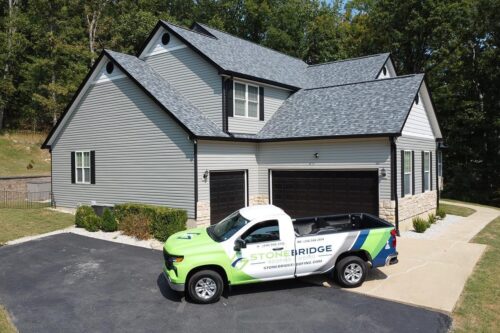
At Stonebridge Roofing, we help homeowners throughout the St. Louis region identify roof hail damage early and take the right steps before small issues become major structural problems.
How Hail Damage Affects Your Roof Over Time
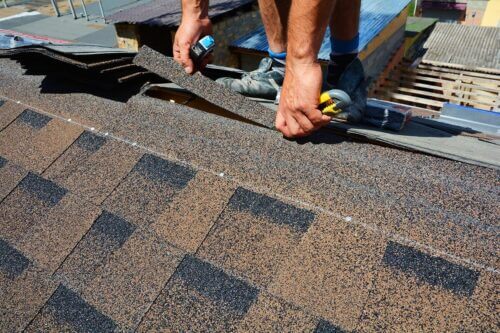
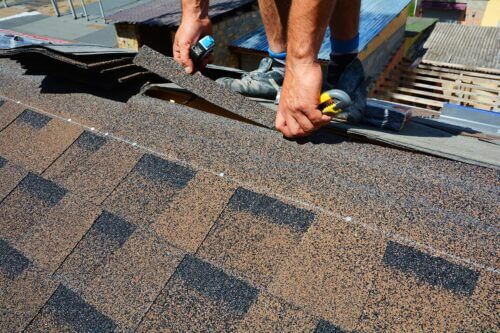
When hailstones strike your roof, the impact can bruise, crack, or dislodge roofing materials. While some damage is obvious, such as broken shingles or dented metal panels, other forms are subtle and progressive.
Granule Loss on Asphalt Shingles
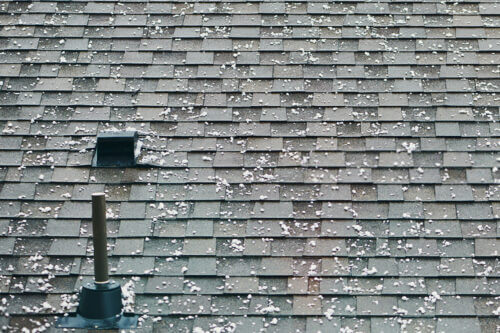
Asphalt shingles are designed with protective granules that shield the roof from UV rays and weather exposure. Hail impact can knock these granules loose, exposing the underlying asphalt layer.
Over time, this leads to:
- Accelerated aging
- Increased brittleness
- Reduced water resistance
- Higher risk of leaks
In Missouri and Illinois, where roofs already endure heat, humidity, and freeze-thaw cycles, granule loss significantly shortens roof lifespan.
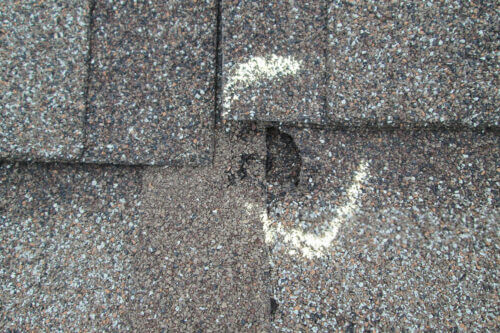
Bruising and Hidden Cracks
Hail can create soft spots or “bruising” on shingles. These areas may not leak immediately, but they compromise the structural integrity of the material. As temperatures fluctuate, those weakened areas expand and contract, eventually cracking.
What starts as minor hail damage can evolve into water intrusion months later.
Damage to Flashing and Roof Components
Hail does not just impact shingles. It can dent:
- Metal flashing
- Vent caps
- Gutters
- Skylights
- Chimney coverings
Compromised flashing is a common cause of delayed leaks. When these components fail, water can seep beneath the roofing system and damage decking and insulation.
Why Delaying Repairs Can Be Costly
One of the biggest misconceptions about hail damage is that it is only a problem if you see water stains on your ceiling. In reality, the long-term effects of hail damage can be far more expensive than the initial repair.
Shortened Roof Lifespan
A roof that should last 20 to 25 years may fail much sooner if hail damage is left untreated. Once protective layers are compromised, sun exposure and moisture accelerate deterioration.
This can lead to premature roof replacement, a much larger investment than a timely repair.
Structural Damage
As water slowly penetrates damaged areas, it can affect:
- Roof decking
- Attic insulation
- Structural framing
- Interior drywall
Moisture trapped in your attic can also contribute to mold growth and indoor air quality issues.
Insurance Complications
In many cases, homeowners insurance covers hail damage. However, delays in documenting and reporting storm damage can complicate claims. Insurance companies may question whether deterioration resulted from neglect rather than a specific storm event.
Scheduling a professional insurance roof inspection shortly after a hailstorm helps protect your eligibility for coverage.
Hail Damage in the St. Louis Climate
The St. Louis region frequently experiences severe weather events that combine hail with high winds. This combination can lift shingles and weaken seal strips while hailstones bruise the surface.
In Missouri and Illinois, where roofs must withstand hot summers, icy winters, and heavy spring rains, even small hail impacts compound over time. What appears minor today can become a significant roofing issue by next season.
A professional roof inspection after a storm provides clarity and documentation, ensuring you understand the true condition of your roofing system.
Signs You May Have Long-Term Hail Damage
If you live in the greater St. Louis area and have experienced recent storms, watch for these warning signs:
- Dark spots or random patches on shingles
- Excessive granules in gutters
- Dented metal vents or flashing
- Loose or lifted shingles
- Water stains in the attic
However, not all hail damage is visible from the ground. That is why a trained roofing professional is essential for accurate assessment.
Protect Your Home with a Professional Inspection
Knowing how hail damage affects your roof empowers you to take proactive steps. The key is early detection and honest guidance from a trusted local contractor.
At Stonebridge Roofing, we provide thorough hail damage inspections for homeowners across Missouri and Illinois. Our experienced team documents all findings, explains your options clearly, and helps you make informed decisions about repair or replacement.
Do not wait until minor damage becomes a major expense.
Contact Stonebridge Roofing today to schedule a professional roof inspection. Call (314) 344-3434 or reach out online to learn more about how we can protect your home and extend the life of your roof. Your home deserves dependable protection from a team that understands the unique challenges of the St. Louis climate.